“I love running but I have a love-hate relationship with it because when I pick up speed, I get injured from either doing too much running, or doing too much speed and hill work.”
How much does it take to reach the finish line? When you love something so much but your body wants to quit, do you give up on it?
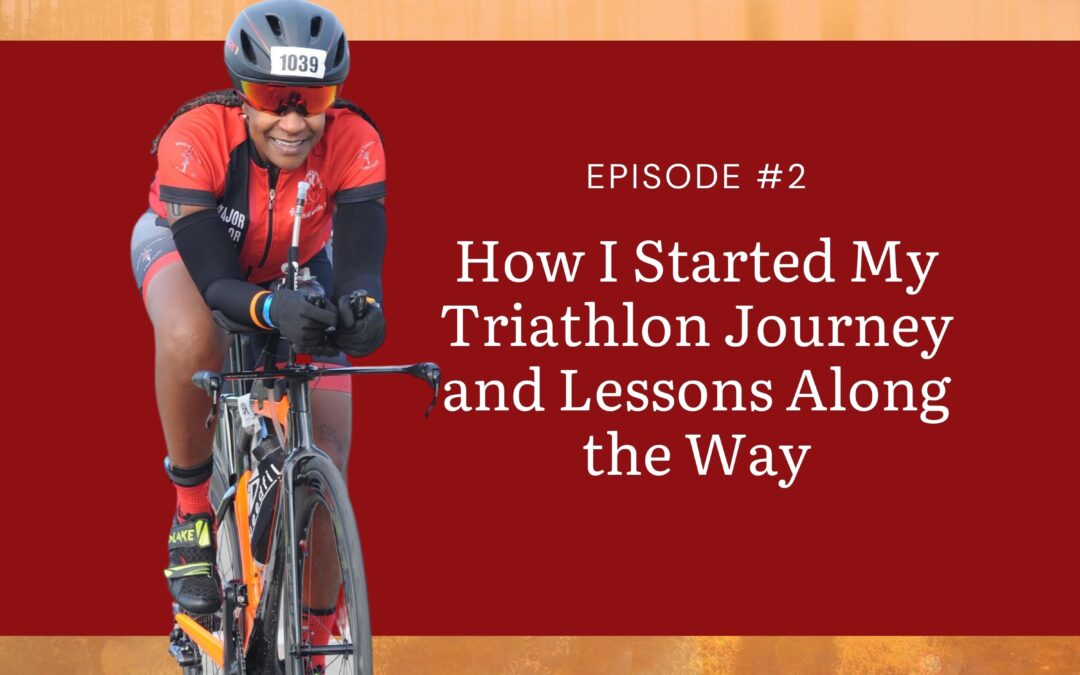
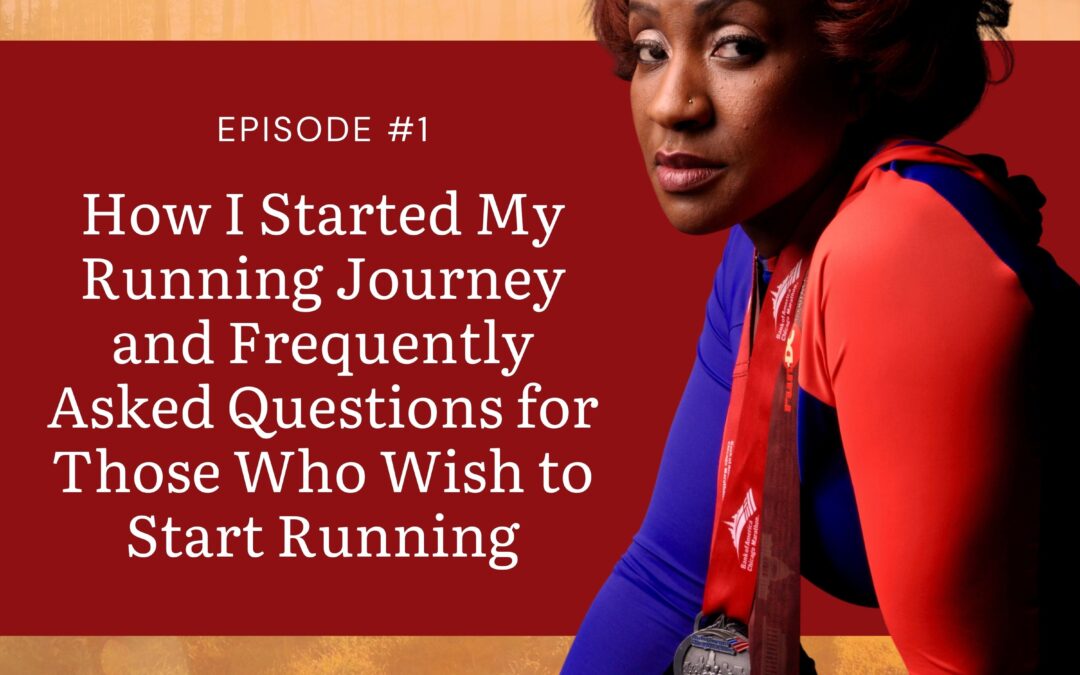
Being a hardcore lover of running, I will share how I started running from 3 miles to 5 miles until I first finished my first full marathon. As much as I wanted to keep on going, I started having injuries, so I had to undergo physical therapy, and had to preserve in order to reach my goals.
However, these physical struggles weren’t enough to stop me. My transition to triathlons started with a simple text from my Godson. I purchased a bike, joined a cycling club, and learned to love cycling. Next, I pursued swimming despite my great fear of drowning. Swimming lessons were certainly not easy. I worked hard with such self-determination.
In order to make it to my triathlon finish line, I had many struggles. It took a lot for me to reach every one of them and this episode is meant to inspire you to do whatever it takes to reach your finish line.
Never give up on anything that your heart beats for. If you have to be stubborn at something, you should be stubborn at fulfilling your goals. This episode is the perfect call you need to hear to keep you going.
Highlights from this Episode:
What prompted me to start running
Going from my 1-mile run to my first marathon run
The injuries I sustained from running
Physical therapy
Moving to Chicago
My journey to triathlon
How I overcame my fear of swimming
My experiences with coaches and staff during swimming during triathlons
My mantras
Black Triathlon Association
How I started cycling
My DNF and learning it is not a death sentence
My first Ironman
—
Did you enjoy today’s episode?
Please subscribe and leave a review. If you have questions, comments, or possible show topics, email runningischeaperthantherapyolb@gmail.com.
To subscribe and review use one links of links below:
Welcome to the first episode of Running is Cheaper than Therapy!
I’m your host Dr. Ouida Brown, an orthopedic surgeon, a runner, a triathlete, and a sports enthusiast ! And I hope you join me on this journey!
In this episode, I’m going to share my story and how running, helped me ease my stress and gave me this unique feeling of euphoria that can only be felt after a good run. You’ll also learn the wonderful benefits of running and how running helped me cope and get back to my happy go lucky self, after losing my mother from breast cancer.
I will also answer questions related to running for people who are starting on their running journey, so you can successfully reach your finish line!
Highlights from this Episode:
How I started my running journey
The wonderful benefits of running
How I got through my depression
The association of running with knee osteoarthritis
Welcome to the first episode of Running is Cheaper than Therapy!
I created this podcast to educate, share my love of life and all that it entails, inspire, and promote movement in its various forms from a mental health aspect.
Also, I want to connect my listeners with others who will bring inspirational stories and experiences we can all relate to; people who have overcome obstacles to make it to their finish lines.
In this episode, I’m going to share my story about how running, has helped me cope and return to happy go lucky “Ouida” after losing my mother from breast cancer.
Running is cheaper than therapy and it certainly is! I’m your host Ouida Brown, a sports medicine orthopedic surgeon, a runner, a triathlete, and a sports enthusiast ! And I hope you join me on this journey!
Highlights from this Episode:
What to expect from this podcast
Why I started this podcast
Losing my mother and dealing with depression
The reason for writing my book – Running is Cheaper than Therapy
October is breast cancer awareness month. NFL players wear pink shoes at least they have in the past. Some cities hold races, but I think the most important think is to bring awareness to the masses.
Breast cancer is the most common cancer among women and is the second leading cause of cancer deaths among women, according to the Centers for Disease Control and Prevention. So many people who are dear to me has passed due to breast cancer my mom being the most signifiant one. October 27, 2008, I watched my mom breath her last breathe.
Many factors over the course of a lifetime can influence breast cancer risk according to the Centers for Disease Control and Prevention. You can’t change some factors, but you can help lower your risk of breast cancer by taking care of your health in the following ways—
Maintaining a healthy weight
Exercise regularly
Limit alcoholic drinks.
If you are taking, or have been told to take, hormone replacement therapy or oral contraceptive (birth control pills), ask your doctor about the risks and find out if it is right for you.
Breastfeed if possible
If you have a family history of breast cancer it may be a good ideal to get a BRCA test.
Screening for breast cancer can seem scary, but the sooner it is diagnosed, the sooner it can be treated and the better chance for survival. Ages 25-39, talk with your health care professional at least once every year for risk assessment, risk reduction counseling and a clinical breast exam. At age 40, begin getting mammograms unless you have a family history of breast cancer. I started mammograms at age 35 due to my family history.
Check yourself regularly- know your body so you know when it’s changing. Between regular screenings or exams, pay attention for the following:
A lump, hard knot or thickening in the breast
A lump under your arm
A change in the size or shape of a breast
Nipple pain, tenderness or discharge, including bleeding
Itchiness, scales, soreness or rash on the nipple
A nipple turning inward or inverted
A change in color and texture (dimpling, puckering or redness)
A breast that feels warm or swollen
The American Institute of Philanthropy’s Charity Watch cites 12 organizations as the top-rated cancer charities and of those there are three on the list that focus specifically on breast cancer prevention and research. If you are interested in donating to breast cancer research, please consider the following. I also have been heavily involved with Susan G Komen actually one of the first races I ever ran but they get a C rating due to heavy administration cost.
According to the CDC, 1 in 4 women and 1 in 7 men will experience violence by their intimate parter at some point during their lifetimes. … At least 5 million acts of domestic occur annually to women aged 18 years and older.
October is domestic violence month and while you may think it doesn’t involve you or anyone you know or love. You maybe sadly wrong. People often live in fear and silence. I didn’t know how prevalence domestic violence was until two years ago this month. I had a good friend. We had been friends since college. I pledged her, after college I went to work then medical school and she moved to New York. We also kept in touch. When I lived in Philadelphia I used to go up on the train and always stayed with her. We shopped, we partied. I hung out with her linesisters. She taught be how to somewhat maneuver on the New York subway. I moved to Chicago. She later moved to the suburbs with her significant other and had a precious little girl. We didn’t talk as much but we always caught up at college homecoming.
Well October 2018 she was murdered by her significant other. I could not believe it. My friend was gone. A couple of weeks later another friend was murdered by her ex-husband. A week later an emergency room doctor was murdered by her ex-fiance at a hospital where I used to work. He also killed a police officer, and pharmacy student and would have killed more people had it not it not been for the receptionist. She called an alert, and moved patients out of the lobby.
I write this blog to bring awareness. Below are some signs of abuse. If you have a friend or family who is in an abusive relationship you can’t make them leave. They have to make that decision themselves. Do be a friend and be supportive. Also support legislation like
House Bill 3, a bipartisan measure known as Aisha’s Law, passed 94 to 0 May of 2020. The bill was named after my friend who was murdered by her ex-husband.
Under HB 3, victims would be referred to domestic violence survivors’ programs where they could get help in housing, job training, child care or other resources.
See below signs of abuse It usually doesn’t start with violence
Your partner bullies, threatens, or controls you:
Accuses you of having an affair
Blames you for abuse
Criticizes you
Tells you what to wear and how you should look
Threatens to kill you or someone close to you
Throws things or punches walls when angry
Yells at you and makes you feel small
Your partner controls your money:
Keeps cash and credit cards from you
Puts you on an allowance and makes you explain every dollar you spend
Keeps you from working whatever job you want
Steals money from you or your friends
Won’t let you have money for basic needs like food and clothes
Your partner cuts you off from family and friends:
Keeps close tabs on where you go and whom you go with
Makes you ask for an OK to see friends and family
Embarrasses you in front of others, and it makes you want to avoid people
Your partner physically abuses you:
Abandons you in a place you don’t know
Attacks you with weapons
Keeps you from eating, sleeping, or getting medical care
My ski club Sugar and Spice a part of the National Brotherhood of Skiers is doing it’s part and we are holding a virtual run/walk/bike with all the funds raise going to a domestic violence charity. I ask that you support and move something while helping to save a life. ( link in caption)